12 Tips To Help You Get Started Living Self-Sufficiently
The self-sufficient life isn’t for everyone, but everyone can do it. Unfortunately, with prices rising and items becoming unavailable, being self-sufficient may be the only option most people have to make ends meet. But, with a little creativity, you can be self-sufficient too.
You may not be able to be completely self-sufficient. Most people who practice this are not 100% self-sufficient. However, they realize they can grow most of their own food. They can make most of their families’ food from scratch. They can mend, fix, repair, or make most of their own things to make them last longer. They have learned to live without most of the conveniences we think we need. They try to keep their impact on natural resources low by avoiding single-use products and shopping secondhand when possible.
However, we all have to start somewhere. I am not afraid to admit that I still have a lot of work to do to get as self-sufficient as I want to be. If you have been around this blog for a while, you all know I believe in baby steps to make your goals possible. Being self-sufficient is nothing different.
I am sharing some tips to help you get started on a self-sufficient life. I know I needed a lot of help (and some days, I still do), and I want to help you too.
12 Tips To Help You Get Started Living Self-Sufficiently
1. Remember why you are doing this. This may not seem like it should be the first tip, but your goals drive your direction. If you lose sight of why you want to be self-sufficient, you will not accomplish your goals. Find a piece of paper and write down why you want to be self-sufficient. Set your goals and the steps you need to take to achieve them. This also gives you a plan for getting started.
For me, I started out wanting to raise my own food. I want to know where my food is coming from. I want to avoid processed foods and make my own food. I want to live off the land as much as I can. I want to be self-sufficient. I want to be able to support my family and myself in the best possible way. I want my kids to know where their food is coming from. That drives my goals for what I want to do on my homestead.
2. Jump into this lifestyle slowly. Some people can jump in with both feet, do a lot, and be fine. I know I am not one of those people. I am starting small. I am a huge believer in taking baby steps and doing one thing at a time. I have been gardening and canning in some way for several years. I added chickens after learning how to garden and preserve my own food. I only tackle one job at a time because I am not a good multitasker.
Beyond that, you will have to invest some money into getting started. If you can find free materials, that is wonderful. However, tools, materials, and sometimes outside labor are necessary, and you will need to part with your hard-earned money. By starting slowly and taking baby steps, you can manage your spending and keep your budget intact.
3. Do a lot of research. While you may feel an urgency to get started, you need to do your research. You need to know if you have laws, regulations, or ordinances about raising small livestock. You need to research whether you have building codes and whether your utility shed/chicken coop complies with them. You may need to worry about an HOA. If you do have laws/codes/regulations, can you get around them somehow? Will your neighbors appreciate you having small livestock? All this can impact your self-sufficiency efforts. If you don’t do your research, you may be facing fines or worse.
The next stage of research should be what you want to grow, raise, and maintain. Knowing a bit about what you want to do before you do it can save you a lot of grief and money. For instance, I studied how to raise chickens for over a year. I wanted to understand what I was getting into and if they were a good fit. I constantly read, research, and study a variety of homesteading ideas. I like to know what I am getting into before I get started.
4. Take advantage of others’ knowledge. Believe it or not, what you want to do to be more independent does not make you unique or a trailblazer. Many other people are doing what you want to do. Take advantage of their knowledge! I constantly ask questions of those who know more than I do. I read blogs of those who went before me and learn from their advice. Get some reference books to research the problems you might be facing.
5. Expect a lot of hard work. Homesteading and self-sufficiency require hard work. That is just a fact. I go to bed most nights exhausted but happy to be living my dream and accomplishing my goals. Some days require a lot of self-motivation to get things done, but I feel great when done. This isn’t for the lazy or selfish. You have to do the work or it will not get done.
6. Enlist help if you have it. My kids have helped me in ways I never would have dreamed they could. I have had plenty of friends and family help me to get my projects done. I have done some things myself that I should have asked for help with. Asking for help and receiving help is not bad, especially if it gets you that much closer to accomplishing your goals!
7. Make everyday tasks easier. Technology is not anathema. I use the internet to research and find an easier way to do just about anything. I use my bread maker on days when I am too busy to make it. I use my slow cooker all the time to make supper when we are in a hurry. We cook once and eat twice all the time. We borrow a tractor for the big jobs around the homestead.
Being self-sufficient can require hard work and a lot of labor. However, you can make life easier on yourself in other ways. For example, putting down ground cloth or plastic and adding mulch on top means you will not spend every minute of your precious free time pulling weeds.
8. Be creative. I am doing this homesteading lifestyle, knowing that I don’t have much money to put into it. I see what I can find and what is given to me to help make many of my projects. I have used items in ways I never imagined. Learn to use what you have. I sometimes have to spend money to get things the way they need to be, but I try to keep the spending to a minimum.
9. Expect not to get it all done in one day. This is a hard but good lesson to learn. We cannot always anticipate how long a project will take, but we all know it can take twice as long as we think. Therefore, you need to be realistic when setting your timeframes and always budget for another trip to the hardware store to finish your project.
Also, you will not be able to accomplish all your goals in one day. Planting a garden is a good example. Most gardeners know there is more to gardening than just planting. First, you need to plan what you are doing and make sure you have good plant rotation. Second, you need to amend your soil by adding compost and nutrients. Third, you need to till or break up the soil if your garden has more clay than dirt. Finally, you actually get to plant your garden. However, rarely does everything get planted in one day. You may plant potatoes and onions one day, then wait a couple of weeks before planting tomatoes.
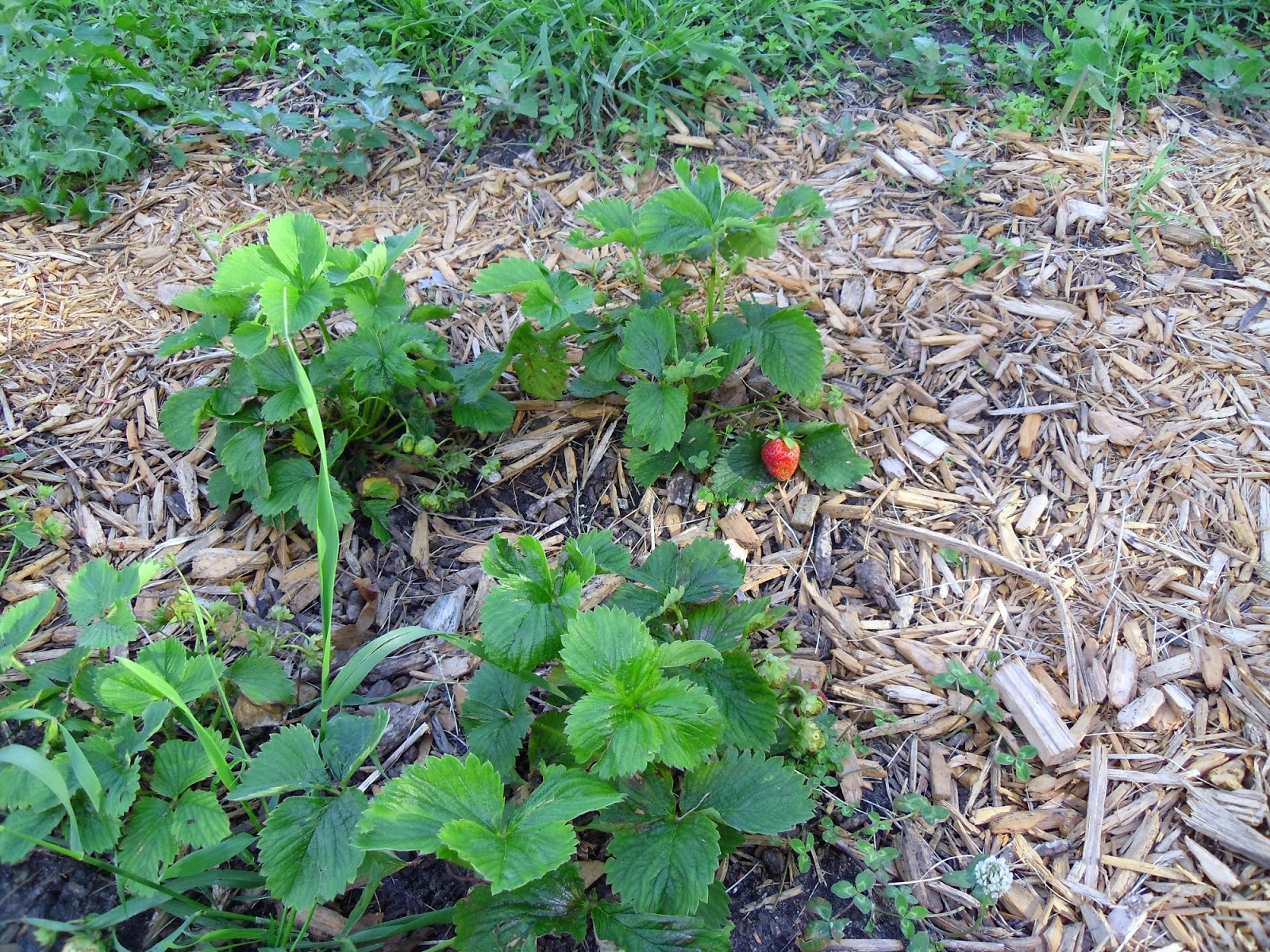
10. Plant the perennials. Food that comes back year after year is the coolest thing. You plant once, maintain the area, and have food the next year. Perennials are generally easy to plant and get started. Strawberries, raspberries, rhubarb, and asparagus are all easy to plant and maintain. Within a few years, you will have an abundance of food to eat and preserve. Perennials also make life easier and not everything about self-sufficiency has to be hard!
11. If you do not have the time, you need to ask yourself why. This is a hard one. I’m generally a busy person and I put that burden on myself. However, I see a busyness that is past crazy in other people. So when people tell me they don’t have the time to grow plants or make bread, I know why. I was in their shoes once.
However, when I started making the decisions to be more self-sufficient, I also started deciding where my time would be best spent. Those decisions will look different for everyone. As the kids have left home, I have also had more time to spend on projects and maintenance.
12. Have fun! Even though we are working on being self-sufficient for serious reasons, we can still have fun doing it. Even if you’re on a budget, you can still buy the silly plant markers. If you want your chicken coop to look like a house from The Hobbit, knock yourself out. If you find a ridiculous-looking metal chicken at a garage sale, buy it and display it proudly. We might be involved in the good fight to be independent of the system, but we can have a lot of fun while doing it.
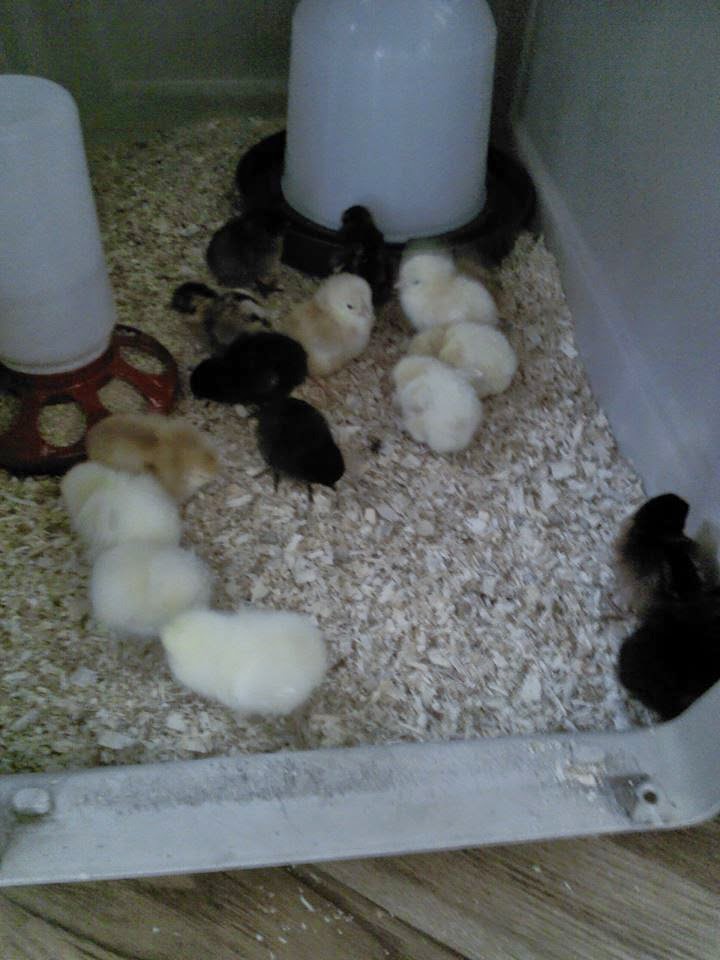
I hope this helps you get started. The reality is that this is not easy, but the rewards are wonderful. I love watching my garden grow and produce. I love canning what I helped to grow. I love watching the chicks and love knowing we will be getting eggs from them soon. This life gives me so much joy and knowing why I am doing it makes it even better.
If you want to learn all my secrets for homesteading, check out this link for the ebook I just wrote!
Thanks for reading,
Erica
Updated 3/30/2026
2 thoughts on “12 Tips To Help You Get Started Living Self-Sufficiently”
Hi Erica, I think if you have fun with it you can do more for sure. I discovered this year some spinach plants came up from last year. I thought I had taken everything out of the containers that I plant on the deck. I was amazed to see them coming back up. I’ll be saving this year for next year. I love the idea of having them coming up each year. I have to try strawberries next. Our rhubarb is not doing well since we transplanted them from our old home. Any tips on those?
I have not tried to transplant rhubarb, but I know from friends that have done it that consistent watering and composted manure seemed to help the rhubarb the most.